Sell a House With Delinquent Property Taxes in Wisconsin
The tax letters are piling up and the county clock is running. We buy houses with back taxes owed, in whatever condition they are in — you set the closing date and close the chapter.
What It Means When Your Property Taxes Are Delinquent in Wisconsin
When your property taxes go unpaid in Wisconsin, they do not simply wait. Milwaukee County enforces tax liens through a court action brought against the property itself — an in rem proceeding under Wisconsin Statutes s. 75.521. In most cases, the county can begin that process once a tax lien has been delinquent for two years. If your property also carries a raze order or cleanup costs the city has already charged against it, that window can shrink to one year. Delinquent property taxes in Wisconsin follow a legal clock, and the further along that clock you are, the fewer options remain.
The in rem action is brought against the property, not against you personally. That distinction matters: selling is still a path you control, as long as you move before the county does. And selling does not require you to first settle the tax bill, repair the house, or clear it out.
We buy houses with delinquent taxes against them — in the condition they are in today. Our offer comes after we have seen the house in person, so the condition is already factored into the price before you decide anything. You are not committing to a number someone guessed over the phone.
Call (414) 310-1185 to talk through what you are dealing with. The conversation costs you nothing and carries no obligation.
How the Sale Works When You Owe Delinquent Property Taxes in Wisconsin
You reach out — by phone or through the form on this page. We ask a few questions about the property and schedule a time to walk through it. No offer is made before that walkthrough. We need to see what you have, and you deserve a number that reflects reality, not a guess.
After the walkthrough, you receive a written offer. Read it. Ask questions. There is no pressure to answer the same day and no obligation attached. If you accept, you choose the closing date. You are not on our schedule — you are on yours.
At closing, taxes and other liens against the property are settled from the sale proceeds. You do not need to write a check to the county treasurer before you can hand over the keys. Whatever has accrued on the tax bill — the original amount, the interest and penalties that have built up, any county costs incurred in starting the process — gets resolved through the transaction itself.
The property is purchased in the condition it is in on the day you accept. No repairs before closing, no cleaning, no hauling. If there are belongings you do not want to deal with, leave them in the house. The work that comes after closing is ours to manage.
The Part Most Sellers Ask About — and the Honest Answer
You will get less than what the house would bring fully renovated and sold through the MLS. That is the real trade-off, and naming it plainly is more useful to you than talking around it.
A cash offer on a property with back taxes, a legal timeline, and deferred maintenance is not the same price you would see after months of repairs and a conventional sale. That difference is real. The question is not whether those prices differ — they do. The question is whether the traditional path is actually available to your situation right now.
If the county is already moving toward in rem proceedings, the comparison is not between a cash offer and a top-of-market listing. It is between a cash offer and what happens when the county recovers the property. The county collects the unpaid taxes, all accrued interest and penalties, its costs of initiating the proceedings, and publication costs. What is left after those deductions is what the former owner sees. That is the full picture of the alternative.
Our offer is made in writing, after we have seen the property in person. The condition was already in front of us when we wrote the number. You have a real figure on paper before you commit to anything, and the choice is entirely yours.
The scope of work we take on: a foreclosure property at 3715 E Edgerton Ave went through full rehabilitation — plumbing, electrical, windows, and flooring. Properties in distress are not an exception to what we do; they are the work.
On the other concerns sellers raise: the sale does not depend on a bank's underwriting approval, so it does not fall apart the way a financed deal can. And the offer comes with no obligation — the conversation ends whenever you want it to.
What We Purchase and What the Sale Covers
We buy residential property — single-family homes and small multifamily buildings up to four units. If your property is in that range, the delinquent tax situation alone does not take it off the table.
The sale covers the property as-is. If there are tenants in the building, we can work around an occupied unit. If the house has code violations on top of the tax debt, that is a situation we buy rather than pass on. If a raze order has been issued — meaning a municipality found the building dilapidated or dangerous and the cost to repair it unreasonable — and the municipality has since charged demolition or cleanup costs as a lien against the property, those charges also shrink the county's in rem waiting period from two years to one. We look at the full picture before an offer is made, not after you have already said yes.
Wisconsin requires a Real Estate Condition Report for most residential sales within 10 days after a contract is accepted. If you inherited the property and have never lived there, an exemption may apply — personal representatives and similar fiduciaries who have never occupied the property are generally not required to complete the form. We walk through what the disclosure requirement means for your specific situation before you commit to anything.
What no one can promise you in advance: the exact amount you receive after liens are settled depends on what has accrued. What the sale does give you is a written offer made after we have actually seen the property, a closing date you set yourself, and a clean end to your exposure. You see the offer before you decide — not after. If that is what your situation calls for, we are ready to take a look.
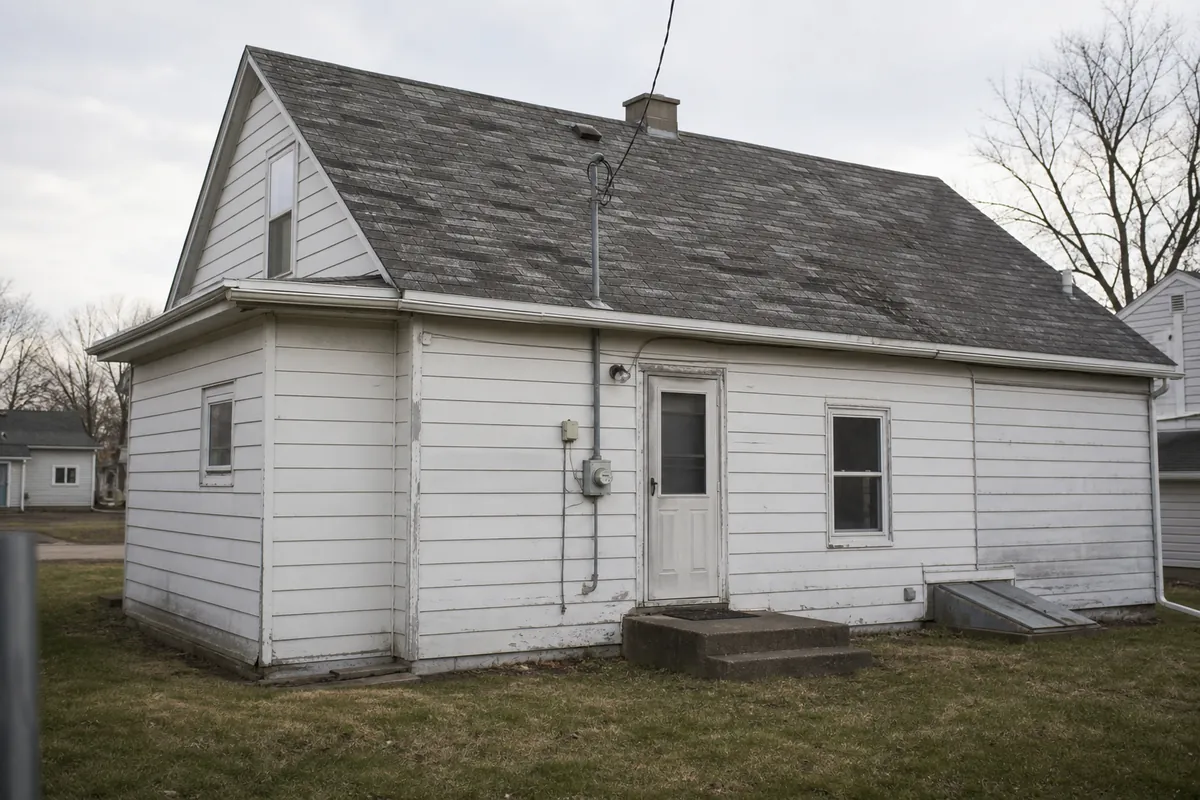
How Back Property Taxes Usually Reach This Point
The situations we see most often have a clear story behind them. Back taxes rarely pile up because an owner stopped caring — they pile up because circumstances removed the owner's ability to manage the property:
If your situation fits one of these, or if it is something different entirely, reach out. You describe what you have. We tell you whether we can buy it.
- An inherited property where the estate moved slowly through formal probate and the tax bills arrived with no one actively managing the house
- A house caught in a divorce where neither party kept up payments while ownership was disputed in court
- A rental property with code violations serious enough to make it unrentable — no income coming in, taxes still accruing
- A property already in mortgage foreclosure — a court action in Wisconsin, not an administrative one — where a growing tax lien compounded on top of the existing mortgage debt
- A raze order that made the house uninsurable and impossible to sell or refinance conventionally, while carrying costs kept running
- A vacant property where carrying costs outran the owner's ability to pay and two years passed before a decision was made
Questions About Selling a Property With Back Taxes in Wisconsin
Milwaukee County has already started the in rem process. Can I still sell the property?
Do I need to pay the back taxes out of my own pocket before we can close?
The delinquent tax debt has been building for more than two years. Has the county already been able to start foreclosure?
My property has both a delinquent tax bill and a raze order from the city. Is that too complicated to sell?

Tell us about the property
Tell us what's going on and we will follow up about your property.
We also buy houses in these situations
- Sell a House As-Is — No repairs, no cleaning, no inspections to pass — we buy the house in its current condition.
- Sell an Inherited House — For families who inherited a property they cannot keep, maintain, or agree on.
- Sell a House With Tenants — Landlords selling an occupied rental — including tenants who are behind or difficult.
- Selling a House in Divorce — A clean, fast sale when two people need to separate the asset and move on.
- Sell a House in Foreclosure — For Wisconsin owners facing foreclosure who need certainty before the sheriff's sale.
- Sell a Hoarder or Junk House — Full of belongings, damaged, or long neglected — you do not have to clean it out.
- Condemned Houses & Code Violations — Orders from the building inspector, open violations, or a condemned property.
What customers say
Reviews from Cudahy and the Milwaukee metro, Wisconsin customers
We inherited a house that needed far more work than we were prepared to handle, and we didn't live nearby. The owner walked through the property, explained what the repairs would realistically cost, and was honest that we might receive more by fixing it and listing it ourselves. There was never any pressure. We chose the cash offer because we could leave the house as it was and be finished with the entire situation. Everything happened when they said it would, and the closing was much easier than we expected.
I had owned this rental for years, but it reached the point where the repairs and tenant issues were costing me more time than I wanted to give it. I spoke with several buyers, and they were the only one who gave me a clear explanation of how they arrived at the offer. They didn't make a high promise over the phone and then try to lower it later. The price wasn't retail, but it was fair for the condition and the convenience of selling it as-is. The closing went smoothly, and I'm relieved to have the property behind me.
Ready to find out what your house is worth to us?
Tell us about the property and we will make a cash offer. No listing, no repairs, no fees.