Sell Your House in Foreclosure Before the Window Closes
Wisconsin sets a fixed deadline after a foreclosure judgment. We buy your property in its current condition — the offer reflects what we see, and nothing more is required from you.
What Selling a House in Foreclosure Actually Means
Wisconsin is a judicial-foreclosure state — once a lender gets a court judgment against your property, a clock starts running. You have a fixed window to either pay what is owed or sell before the property passes to the lender. That window does not pause while you decide what to do.
If you need to sell your house in foreclosure, the key thing to know is that a sale can still happen — and you do not have to repair, clean, or empty the property to make it happen. We make a written offer on your home exactly as it stands when we walk through. The price we put in writing reflects what we see, nothing more.
We are a cash buyer based in Cudahy, buying properties across the Milwaukee metro. The next step is a no-pressure conversation. Request a written offer through this page, or reach out by phone.
How We Handle a Foreclosure Property Sale
The process moves in a straight line. Nothing changes between the written offer and the closing table.
If belongings are still in the house — furniture, tools, whatever has accumulated — you can leave them. We handle what remains after closing. You are not committed to anything until you say yes.
When we walk through, we are looking at the same things any buyer would see — but we are not running a checklist to use against you after the offer is accepted. Everything we see is already in the price we write. What you accept is what closes.
- You contact us — by phone or through the form on this page.
- We schedule a walk-through to see your property as it stands. Not a formal inspection — the visit that lets us put an accurate number in writing.
- You receive a written offer. No obligation to accept.
- If you accept, you choose the closing date that fits your situation.
- The property closes in its current condition. Nothing needs to be repaired, cleaned, or cleared before we take ownership.
The Part Most People in Foreclosure Are Worried About
The real concern is price. A cash offer on a property in foreclosure is not the same number you would see from a listing site for a move-in-ready house on the same street. A direct sale will likely return less than what your house would bring fully repaired on the open market. That is the honest answer.
What you are trading for that difference is certainty. A traditional sale means getting your property into showing condition, surviving an inspection, and waiting on the buyer's financing — each of those is a point where the deal can collapse. In your situation, a sale that falls apart two months in does not just cost you money. It may cost you the window entirely, because the clock does not stop for a failed transaction.
The written offer we make reflects the property we walked through. The condition of your house is already in that number — not held back as a negotiating tool. There is no post-acceptance reduction tied to repairs or inspection findings.
We have done this before. At 3715 E Edgerton Ave, we bought a foreclosure property and rehabbed it fully: plumbing, electrical, exterior paint, flooring, and windows. That is a real street address you can drive past.
If your property has issues a conventional lender would not finance — deferred maintenance, structural questions, significant work needed — those are exactly the kinds of properties we buy. You do not have to resolve them before we make an offer. What matters is that we see the property and know what we are pricing.
The Situations That Lead Here
Foreclosure almost never happens because someone stopped caring about their home. Here are the situations that bring sellers to this page — and more than one may apply to where you are right now:
Whatever brought you here, a sale is usually still within reach during the redemption period — though the length of that window depends on when your mortgage was signed and your property type, and it does not stay open indefinitely.
- A job loss or income drop that made your mortgage payments impossible to maintain.
- A medical event that drained your savings and created new debt at the same time.
- A property you inherited that came with a mortgage already in default.
- A divorce that stalled the sale of a shared home until neither party could cover the payments.
- A rental where tenants stopped paying and the eviction process outlasted your reserves.
- Delinquent property taxes that compounded until holding the property became financially untenable.
What Shapes the Offer When You Sell a House in Foreclosure
Several things shape the offer you receive. Knowing them upfront means the written number is not a surprise — and there are no hidden factors that surface later to reopen the negotiation.
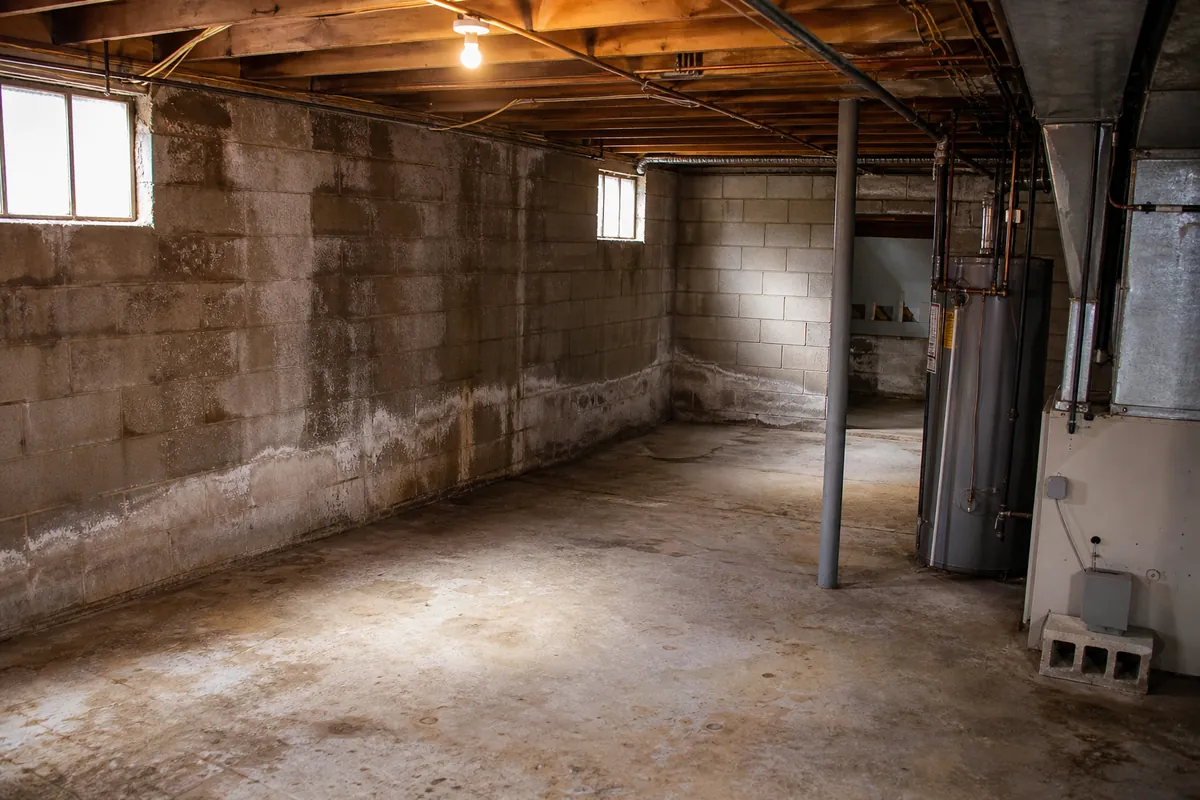
- Your property's current condition. We buy as-is, which means the cost of any needed work comes out of our offer — not out of your pocket before closing.
- What is owed against your property. Any mortgage balance, secondary liens, or unpaid taxes have to settle at or before closing. What you receive after those payoffs depends entirely on what is owed.
- Where you are in the redemption window. A sale that begins early has more room to close before your deadline. A sale that starts late in the period has very little margin for any complication.
- Whether your situation qualifies for a longer window. Wisconsin may extend your redemption period for sellers who make good-faith efforts to list through a licensed real estate broker — meaningful extra time when you need it.
Why the Wisconsin Foreclosure Process Matters for Milwaukee-Area Sellers
Wisconsin requires the lender to go to court to foreclose. There is no administrative shortcut — a lawsuit is filed, a judgment is entered, and from that moment your redemption clock runs on a court-controlled schedule, not the lender's.
For a 1-to-4-family owner-occupied property on 20 acres or less, when the lender waives its right to a deficiency judgment, the redemption period is typically 3 months from the judgment date — for mortgages signed on or after April 27, 2016. For mortgages signed before that date, the period is usually 6 months. Which one applies depends on when your mortgage was signed.
That window — 3 months or 6, depending on your mortgage date — is the time in which your property can still be sold and the mortgage satisfied from the proceeds. A buyer who does not depend on mortgage approval, an appraisal, or a financing contingency can work inside that window in a way a conventional buyer often cannot.
We buy across the Milwaukee metro — Milwaukee, West Allis, Greenfield, Oak Creek, and South Milwaukee. If your deadline is approaching, call (414) 310-1185. We see the property, put a number in writing based on what we find, and that number is what closes — your property's condition is already accounted for in the price.
Frequently Asked Questions
Can I still sell my house after Wisconsin foreclosure proceedings have started?
Does listing with a real estate agent give me more time before foreclosure closes?
Do I still have to fill out a condition report when selling a house in foreclosure?
What happens to liens and back taxes on my property when I sell?
Does the house need to be empty or in better shape before you will look at it?

Tell us about the property
Tell us what's going on and we will follow up about your property.
We also buy houses in these situations
- Sell a House As-Is — No repairs, no cleaning, no inspections to pass — we buy the house in its current condition.
- Sell an Inherited House — For families who inherited a property they cannot keep, maintain, or agree on.
- Sell a House With Tenants — Landlords selling an occupied rental — including tenants who are behind or difficult.
- Selling a House in Divorce — A clean, fast sale when two people need to separate the asset and move on.
- House With Delinquent Property Taxes — Back taxes owed on the property, settled at closing.
- Sell a Hoarder or Junk House — Full of belongings, damaged, or long neglected — you do not have to clean it out.
- Condemned Houses & Code Violations — Orders from the building inspector, open violations, or a condemned property.
What customers say
Reviews from Cudahy and the Milwaukee metro, Wisconsin customers
We inherited a house that needed far more work than we were prepared to handle, and we didn't live nearby. The owner walked through the property, explained what the repairs would realistically cost, and was honest that we might receive more by fixing it and listing it ourselves. There was never any pressure. We chose the cash offer because we could leave the house as it was and be finished with the entire situation. Everything happened when they said it would, and the closing was much easier than we expected.
I had owned this rental for years, but it reached the point where the repairs and tenant issues were costing me more time than I wanted to give it. I spoke with several buyers, and they were the only one who gave me a clear explanation of how they arrived at the offer. They didn't make a high promise over the phone and then try to lower it later. The price wasn't retail, but it was fair for the condition and the convenience of selling it as-is. The closing went smoothly, and I'm relieved to have the property behind me.
Ready to find out what your house is worth to us?
Tell us about the property and we will make a cash offer. No listing, no repairs, no fees.